Sonia Salunke

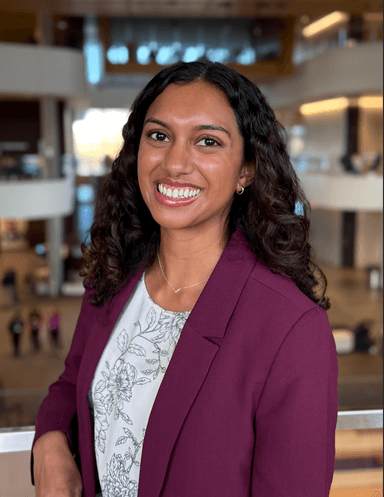
Hi, I'm

Building AI tools for healthcare, productivity, and everything in between

Learning what AI is capable of by building with it. I'm energized by identifying processes in my own life and using AI to reimagine them. This portfolio is that process in action. By building for my daily life, I'm developing the intuition needed to apply AI to bigger challenges in healthcare.

Projects

AI tools and strategies I've built during my MBA

The Problem

GLP-1 medications are taken weekly, not daily, which means they don't naturally slot into a patient's routine the way other medications do. The startup I partnered with was limited to in-app push notifications that weren't reliably reaching patients at the right moment.

What I Built

An n8n workflow that schedules reminders based on each patient's preferred channel and medication cadence, then fires automatically at the right time. When patients respond in natural language, GPT-4 interprets the response and logs it. I also built an evaluator agent with 50+ synthetic patient profiles to stress-test edge cases before handoff.

Impact

I handed the workflow off with a video walkthrough, written documentation, and a direct meeting with their engineer. The startup is productionizing it for launch, and I meet with them monthly as they build it out.

The Problem

My grandma has always been a storyteller, but my cousins who don't speak our mother tongue have a harder time connecting with her stories. There's no easy way to capture what she shares and make it accessible to everyone in the family before those stories are gone.

What I Built

Kahani, which is Hindi for "story," lets family members join a shared space with a family code and record stories in any language. The app includes prompt suggestions and auto-categorizes the stories. Family members can then go back and listen to the original audio as well as read an English transcription. Stories are organized into chapters like childhood memories or traditions so they're easy to find.

Impact

Won first place at the Kellogg AI Showcase out of 30+ applicants, judged by Kellogg AI faculty. During the live demo, students tested it in multiple languages and were amazed by how accurate the translation was. 13 students have signed up to test an early version of the product.

The Problem

Recruiting involves two parallel processes: keeping up with coffee chats and contacts, while also staying on top of job applications across a lot of companies. I was doing all of this manually, between a spreadsheet and a separate Word doc for job descriptions. Every new application meant updating the sheet and copy-pasting the JD by hand.

What I Built

A Chrome extension with two modes, Save Job and Add Contact, that detects which one to show based on the page you're on. On a LinkedIn profile, it opens the contact form. On a job listing, it flips to the job form with an option to pull the full description directly from the page. Both modes save directly to the appropriate tracker in Google Sheets.

Impact

I've used it throughout recruiting. Having everything in one click has kept my documentation more consistent and cut out most of the manual work of updating trackers by hand.

The Problem

Most AI tools for coursework either write the answer for you or don't add much. I wanted something that would help me think more carefully about the cases I was reading, without doing the thinking for me.

What I Built

A Claude skill that runs only on the materials I give it, no external knowledge. I tell it the assignment format, any word or page limits, and the questions I need to answer. It then asks me questions to push my thinking and surface details I might have missed or gaps in my logic, without being leading or directional. Once I feel good about where my thinking is, it organizes everything I said into a bullet-point outline in the right order, with supporting details from the case, that I use to write my final submission.

Impact

I use it regularly for coursework. It gets me thinking further and deeper than I would have on my own, in about the same time I would have spent anyway. I've shared it with classmates who now use it too.

The Problem

During a research trip to Kenya focused on maternal and newborn health, our team of three generated hundreds of pages of handwritten notes across hospital visits, individual interviews, and conference sessions. Many were short-form or missing context, and consolidating them manually would have taken hours.

What I Built

A custom Claude skill that lets teammates photograph handwritten notes, transcribes them (even through messy handwriting and crossed-out text), identifies the contributor, and inserts them into the correct section of a shared Word document organized by source type.

Impact

Deployed to two teammates who used it to add their own notes into a shared document. Saved hours of manual transcription and enabled collaboration across the team.

Articles & Podcasts

Writing and conversations on AI, healthcare, and product thinking

About

My interest in healthcare is personal. Both of my parents have spent their careers in medical devices, so growing up I got to see how innovation could have a real impact on a patient's life. Growing up in the Bay Area only deepened that. I grew up watching technology play a central role in how healthcare improved, and those two things have been intertwined for me ever since.

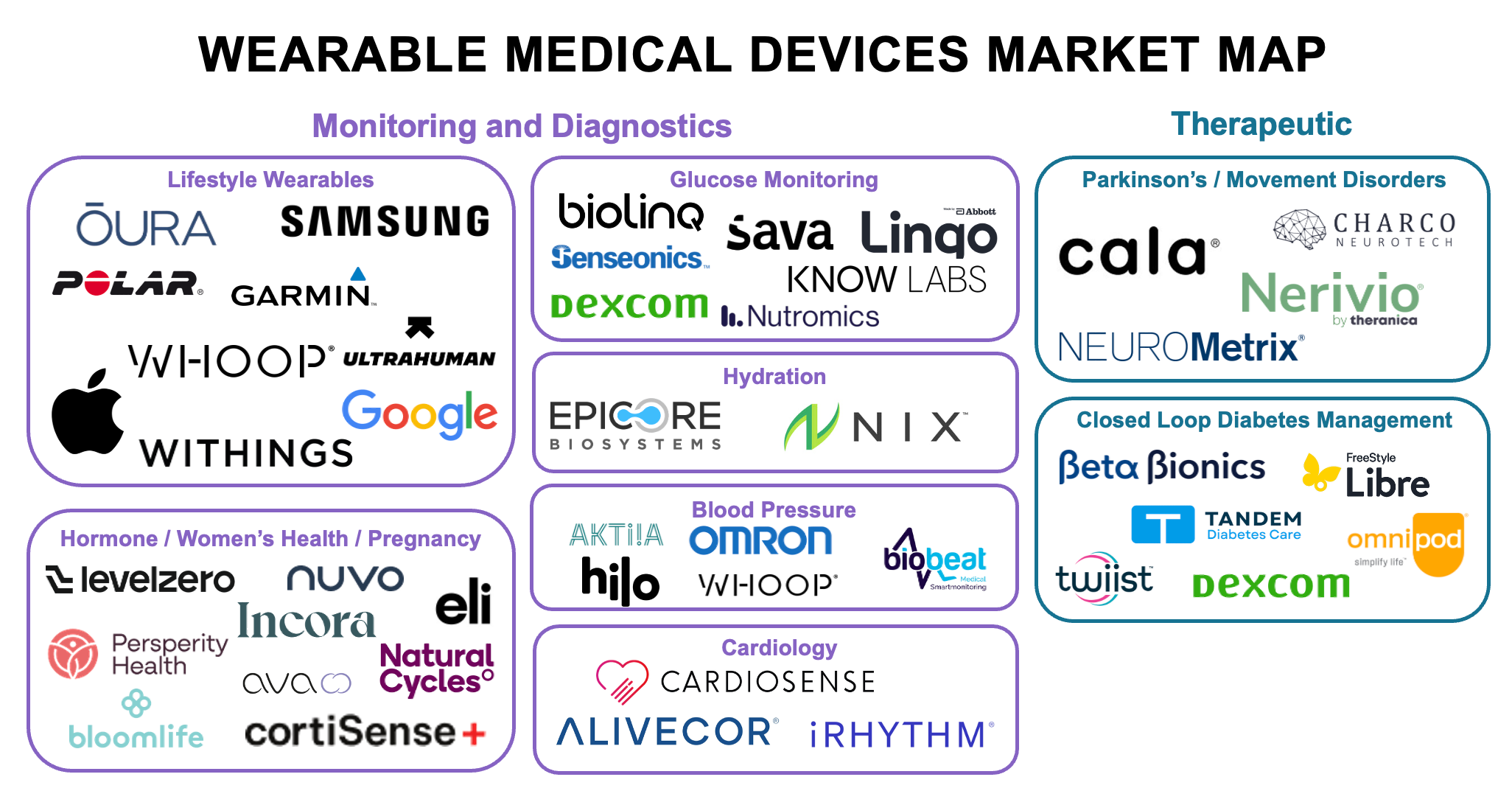
At Accenture, I worked with providers and payers on growth and product strategy, which gave me a close look at how industry leaders were actually thinking about using technology to improve the patient experience. At Samsung Research America, I got to see how fast technology is moving in this space and how much potential there is to use it to genuinely empower people to manage their own health.

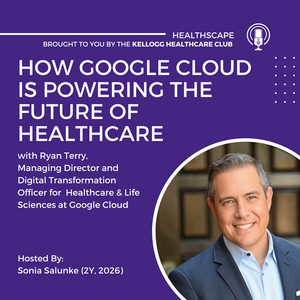
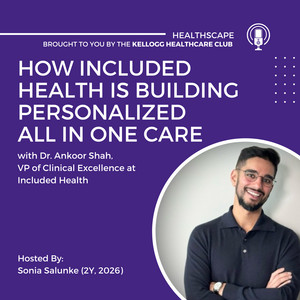
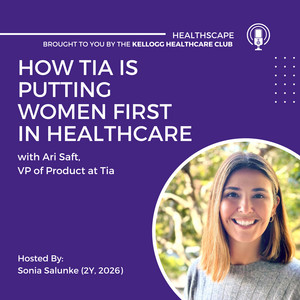
During my time at Kellogg, I serve as co-president of the Healthcare at Kellogg Club and co-host the Healthscape podcast. I'm using this time to deepen my understanding of how the healthcare industry works and build the same kind of intuition for where and how AI can be used to address real challenges within it.

When I'm not doing that, I find energy in bringing people together through movement (like group runs) or new experiences (like DIY nights).